What GSM actually tells you
GSM means grams per square metre. It describes the weight of the fabric, which in turn hints at body, opacity, drape and warmth. It does not describe the weave, the hand-feel or how the fabric performs during play.
Two 180 GSM fabrics can feel completely different: one may be a smooth interlock, the other a textured jacquard. That is why the weight is always read together with the construction and the end use.
The ranges below reflect the published styles in the current range. A specific build may sit outside them once the fabric is confirmed for your order.
Soccer: 160–180 GSM
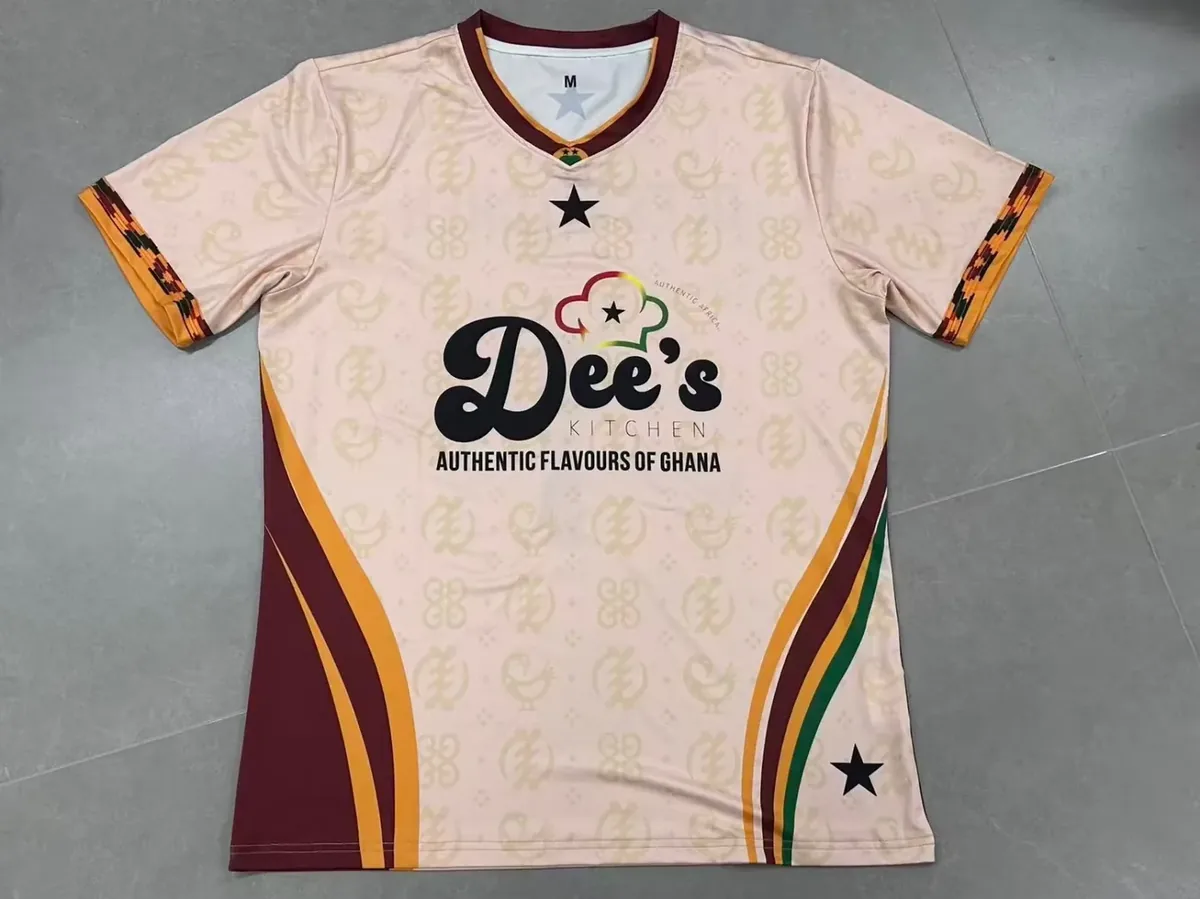
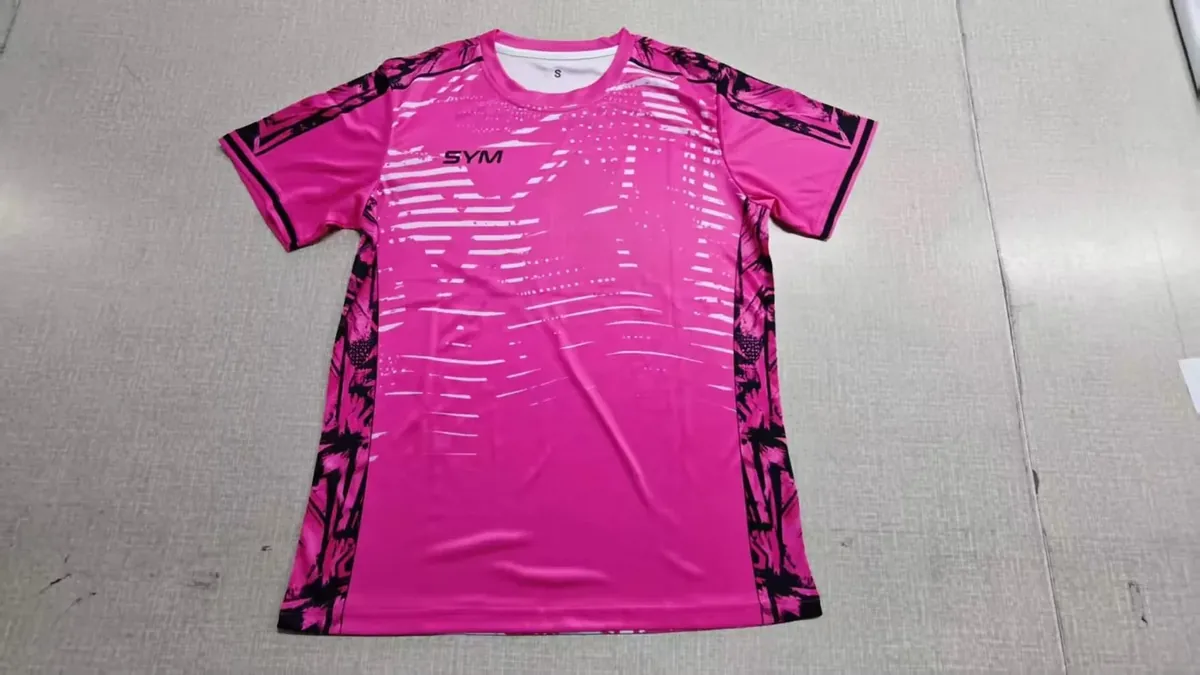
Soccer kits need to stay light through ninety minutes. The range runs from a 160 GSM GRS recycled polyester jersey to a 180 GSM jacquard retro polo.
At this weight, mesh side panels and ventilation matter as much as the base fabric. A tailored match fit uses less fabric than a relaxed supporter fit, so two jerseys at the same GSM can feel different on the body.
Decoration is usually full sublimation, with silicone crests or foil accents added on top. See the soccer jerseys and kits category for the current builds.
Basketball: 190–260 GSM
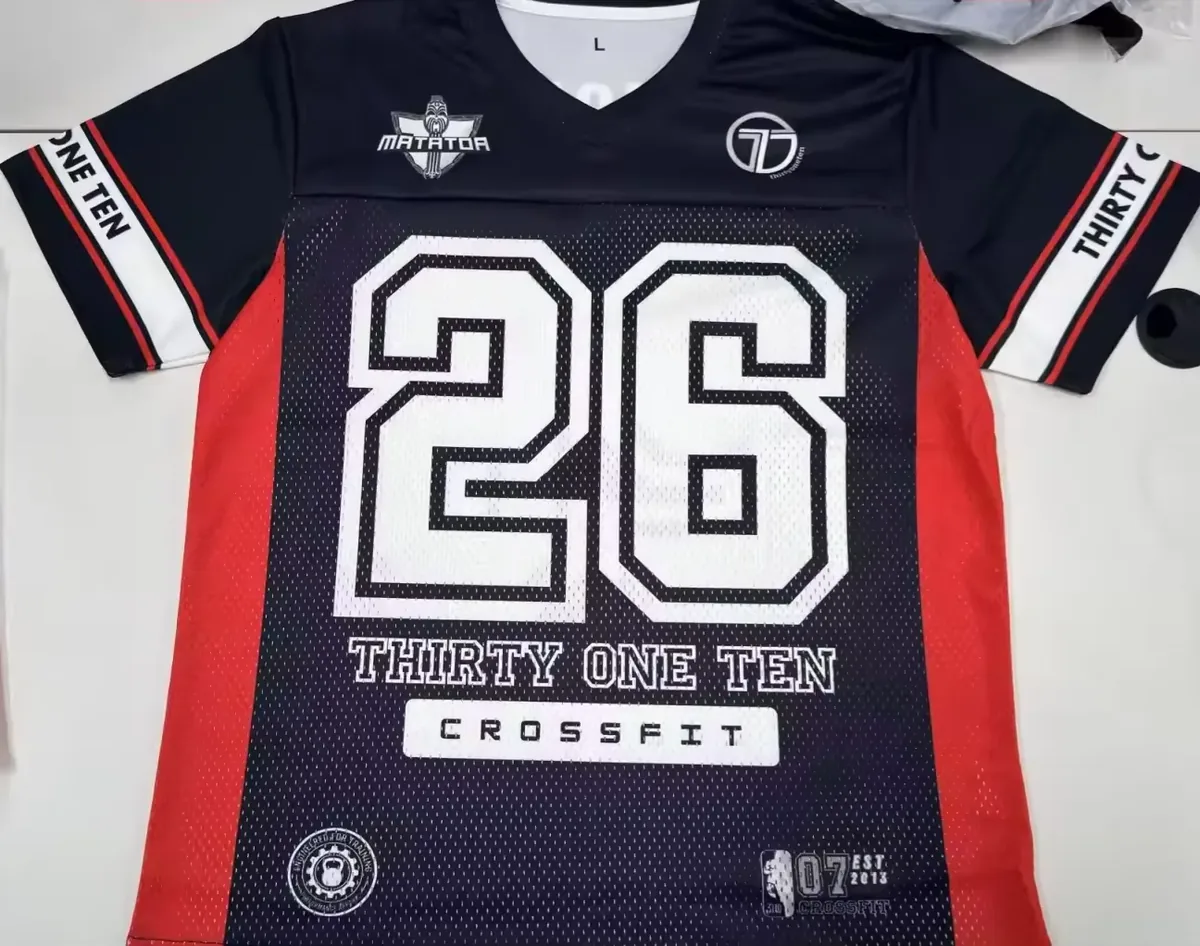
Basketball uniforms carry more structure: armholes, rib collars, tackle-twill numbers and sometimes a second layer for reversibility. The range runs from a 190 GSM micro-porous jersey set to a 260 GSM double-mesh short.
Birdseye and double mesh give breathability without losing shape. A reversible kit uses two layers, so the effective weight on the body is higher than the single-fabric number suggests.
Heavier shorts at 260 GSM with a tricot lining are built for training and off-court wear rather than match play. See the basketball uniforms category.
Baseball, tracksuits and specialty
Baseball uniforms run 220–280 GSM. Micro-mesh carries the lighter two-button styles, while warp-knit pinstripe at the top of the range gives the traditional boxy set its structure.
Training tracksuits run 280–300 GSM in brushed French terry, ripstop and tricot. The weight is there to hold a stand collar, a zip and a tapered leg without collapsing.
Specialty teamwear spans 170–340 GSM: a four-way stretch volleyball set at the light end, a 320 GSM lace-up hockey sweater, and a 340 GSM reinforced football jersey with a dazzle shoulder yoke. Each weight follows the protection and movement the sport needs.
Accessories are not measured in GSM
Socks and bags use different scales. The grip socks are an 85 GSM combed-cotton blend with silicone pads, while the backpack is a 600D Oxford shell — a denier measure of yarn thickness, not fabric weight.
Denier and GSM are not interchangeable, so do not compare a bag to a jersey by number. Read the construction instead: water-repellent coating, isolated shoe compartment, YKK zips and reinforced base.
See the sports accessories category and the 600D Oxford backpack page.
How to specify a weight
Send the sport, the garment type, the fit and the decoration with your enquiry. From that, a weight and construction can be proposed and sampled.
If you already have a fabric reference, send the swatch or the exact specification. If you only have a reference garment, send photos and describe how it should feel — soft, structured, stretchy, matte or shiny.
The approved swatch becomes the bulk reference for shade, weight and hand-feel. A weight change after approval is a new sample, not a production adjustment.