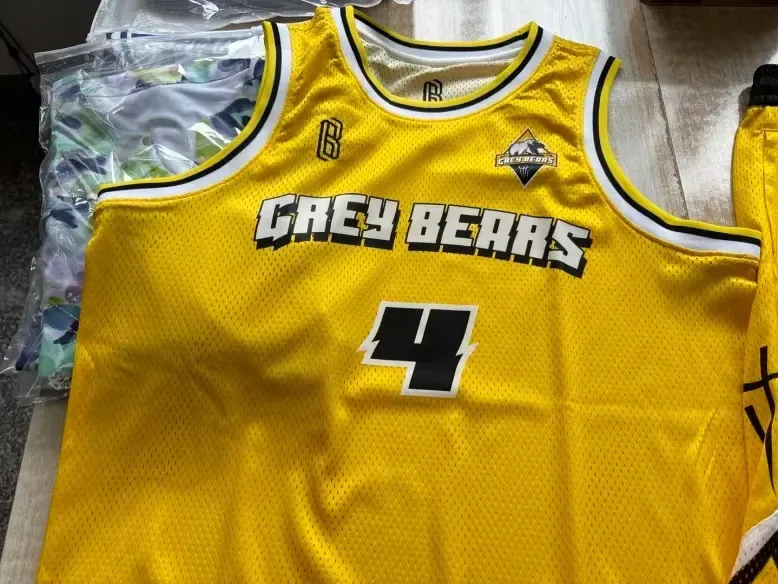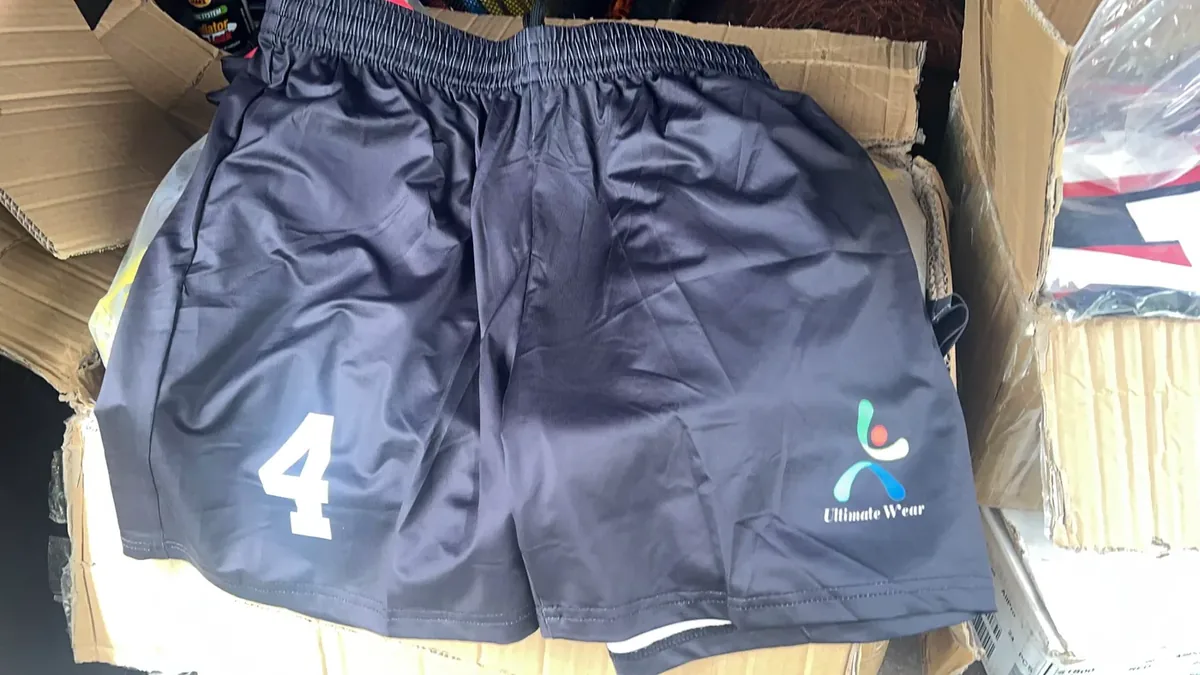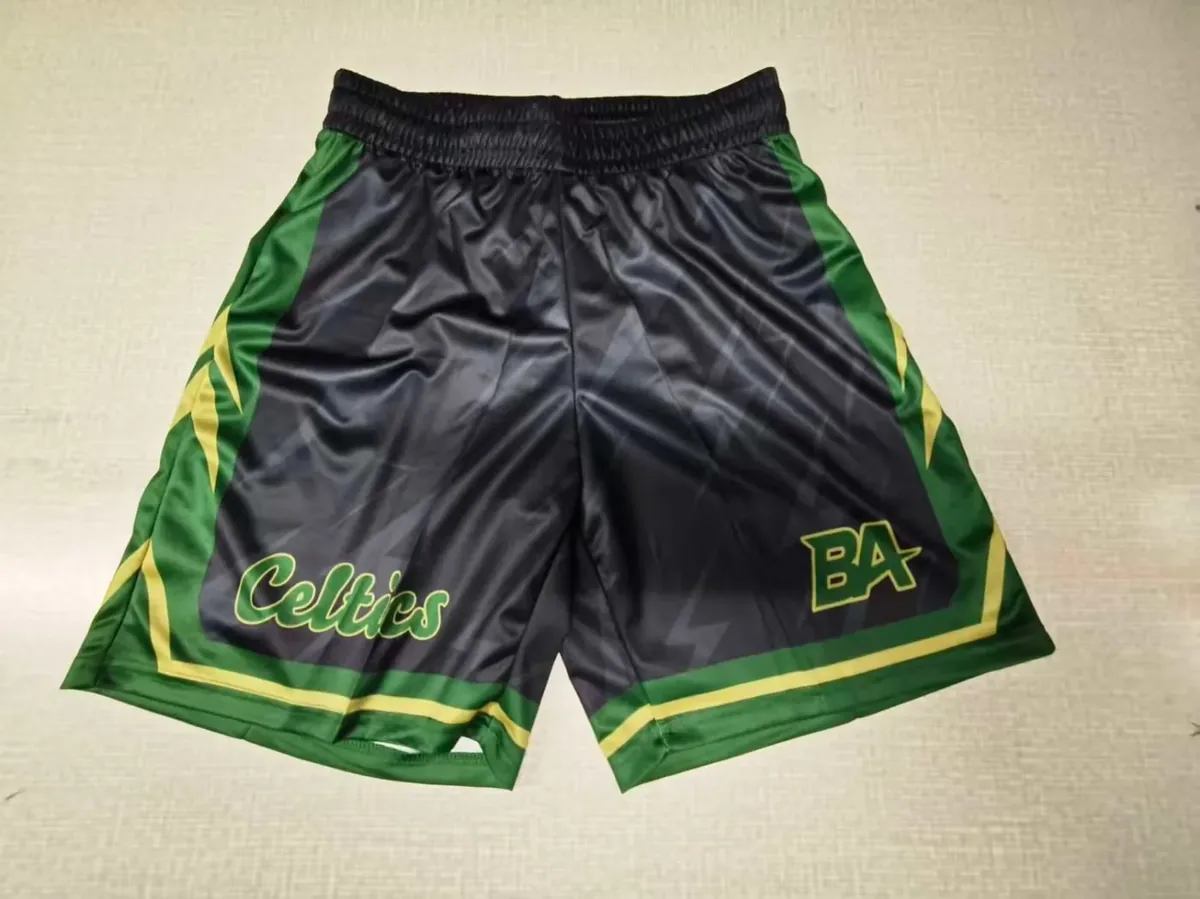
Start with measurement points
A useful chart lists the points that matter for the garment, not every dimension on a pattern. For a jersey: chest, body length, shoulder width, sleeve length and hem width. For shorts: waist, hip, inseam and outseam.
Each point needs a target measurement per size and an acceptable tolerance. Without a tolerance, a 1 cm difference becomes a dispute instead of a normal production range.
Send your existing chart if you have one, or your reference garment measured flat. That gives the pattern team a real target rather than an assumed block.
Fit is a decision, not a default
The same chest measurement can produce a match fit, a relaxed fit or a boxy fit depending on the block and the ease built into it. Decide which one the program needs before the sample is cut.
- Match fit: close to the body, used for pro soccer and volleyball.
- Relaxed fit: comfortable through the body, common for club and school kits.
- Boxy fit: wider through the chest and hem, used for baseball and lifestyle pieces.
- Oversized: deliberate extra ease, used for hockey sweaters over pads and streetwear cuts.
State the fit in words as well as measurements. Two charts with the same numbers can still feel different if the shoulder, armhole or hem is shaped differently.
Splitting a squad order
Build the split from the players you actually have. A simple approach is to list each player, their size and whether the piece is a player or staff item, then total by size and colourway.
Most squad orders need more medium and large than small and extra large, but the ratio changes with the sport, the age group and the fit. A youth academy and a senior club should not share one ratio.
Confirm the split before production. The cut plan, the packing list and the label count all follow from it, and changes after cutting are expensive to absorb.
Youth and adult in one order
Youth and adult sizes are different blocks, not scaled copies. Armhole depth, body length and sleeve proportions change between them, and a youth medium is not simply a smaller adult medium.
Keep separate charts for each age group and label the sizes clearly. If the order mixes youth and adult pieces, confirm how they will be packed and labelled so the club can distribute them without opening every carton.
Name and number placement should also be checked on both blocks. A number that sits correctly on an adult back can sit too low or too wide on a youth jersey.
Approving fit before bulk
The sample is where fit is approved. Have it tried on the people who will wear the kit, in the sizes closest to the edges of the curve — usually a small and an extra large — rather than only the middle size.
Check movement as well as static fit: raising the arms, rotating the shoulders, sprinting and jumping. A jersey that measures correctly but restricts the armhole is not approved.
Record the approved measurements, the fit description and any changes in one comment round. That record is what bulk is checked against at the inspection stages.